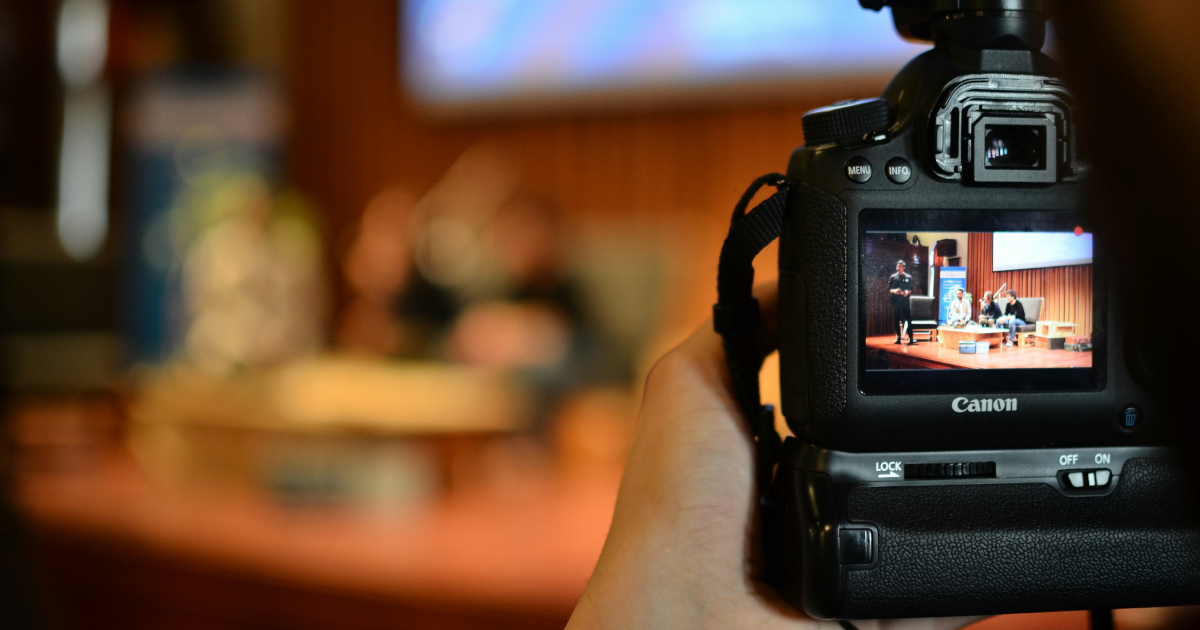
The 11th Belt and Road Summit, co-organised by the Government of the Hong Kong Special Administrative Region and the Hong Kong Trade Development Council (HKTDC), concluded successfully, attracting over 6,200 political and business leaders from more than 70 countries and regions. The event showcased over 300 investment projects, arranged more than 800 one-on-one deal-making meetings, and facilitated over 60 Memoranda of Understanding (MoUs), underscoring Hong Kong's unique role as a super connector and super value-adder.
This year's Summit focused on business globalisation, new market opportunities, and cross-regional cooperation, with a particular emphasis on deepening Hong Kong's economic and trade ties with emerging markets such as ASEAN, Central Asia, and the Middle East. The introduction of the first-ever GoGlobal Chapter was a highlight, providing a one-stop platform for Chinese Mainland enterprises to explore overseas markets. The GoGlobal Connect Zone attracted numerous enterprises seeking Hong Kong professional services partners, leading to a MoU between Shaanxi TIRAIN Science & Technology Co., Ltd. and Deloitte Advisory (Hong Kong) Limited. Chen Li, President of Shaanxi TIRAIN, noted that the partnership would help ensure compliance and enhance competitiveness in global markets.
Building on Chief Executive John Lee's visit to Kazakhstan and Uzbekistan in June, the Summit introduced a dedicated Central Asia Chapter and Central Asia Zone to deepen business ties with the region. Key development projects such as Kazakhstan's Alatau City and Data Center Valley drew significant interest. Bakhtiyar Mukhametkaliyev, Vice Minister of Artificial Intelligence and Digital Development of Kazakhstan, highlighted the country's aerospace foundation and its potential for collaboration in satellite systems and digital platforms.
The Middle East Chapter and Middle East Zone further strengthened the Summit's focus on the region, with the Business Plenary themed "Unlocking New Market Opportunities along and beyond the Belt and Road" featuring speakers from Qatar, Oman, South Africa, and Nigeria. The Project Investment Session on the Middle East, Africa, and Latin America provided insights into key industries and investment opportunities. Enver Iskurt, Deputy Minister of Transport and Infrastructure of Turkiye, presented the Ankara-Istanbul super speed railway project, inviting Hong Kong investors and engineering firms to participate.
Facilitating project matchmaking and industrial cooperation, the Summit showcased over 300 investment projects valued at more than US$5.4 billion and arranged over 800 one-on-one meetings. Among the MoUs was one involving Jabal Asset Management LLC of Oman. Issa Al Battashi, Managing Director, emphasized the importance of dialogue and partnerships in translating opportunities into results. The Exhibition Zones featured over 120 exhibitors, including new zones for University, GreenTech, and GoGlobal Connect, driving cross-industry and cross-regional cooperation.
As a new highlight of Belt and Road Week, the ASEAN Market Day attracted 340 SMEs, offering consultation sessions with HKTDC's ASEAN offices and consulates to help enterprises align with overseas expansion needs. The HKTDC plans to launch more thematic promotion activities for high-potential markets, including GoGBA Development Day, African Market Day, and Middle East Market Day, to assist Hong Kong enterprises, particularly SMEs, in seizing global opportunities.
Although the Summit has concluded, cooperation negotiations will continue. The Belt and Road Deal-Making will be extended to 14-15 September in an online format, and the Belt and Road Global Forum Annual Roundtable 2026 will bring together representatives to discuss market trends and deepen regional exchanges. For more information, visit the HKTDC Media Room or the HKTDC website.