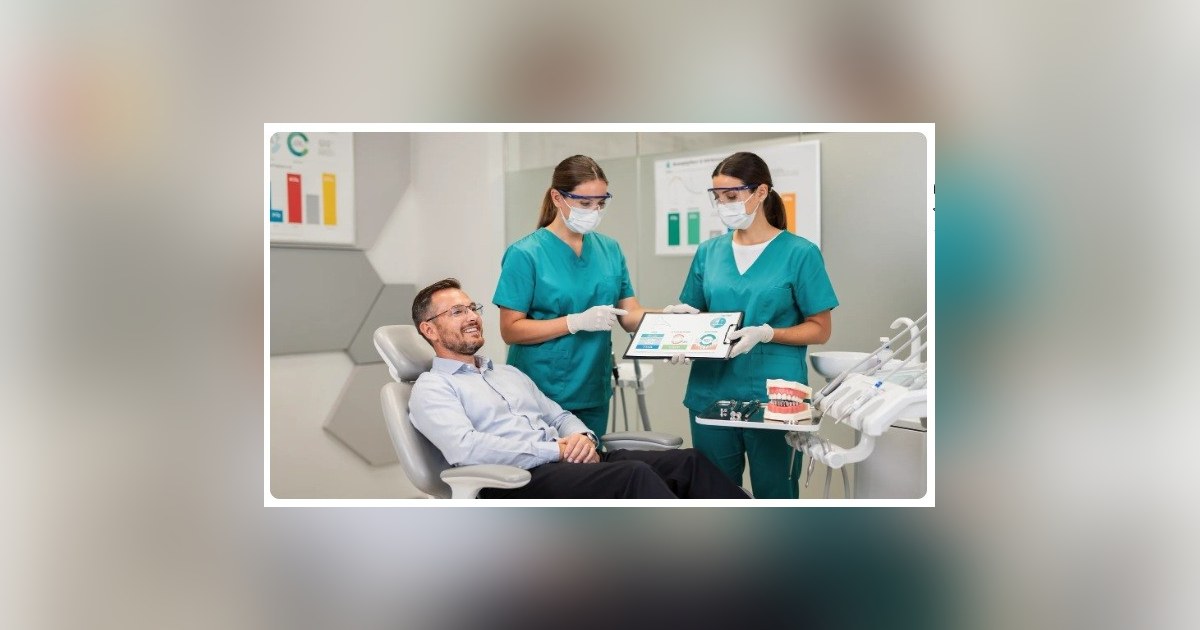
When patients search for Affordable Dental Implants, they often focus on the lowest advertised price. However, a dental implant is not a single product but a multi-stage treatment that may include examination, imaging, extraction, implant placement, abutment, and a final restoration. The total cost can vary widely depending on each patient's oral health, bone quality, and the specific components included. This variability means that comparing one office's advertised implant price with another's can be misleading. A more reliable approach is to request a written estimate that clearly lists every procedure and material.
According to the U.S. Food and Drug Administration (FDA), dental implants can restore chewing ability, appearance, and aspects of oral function while helping preserve bone around a missing tooth. The FDA also advises patients to discuss both benefits and risks with their dental provider and to determine candidacy through a professional evaluation. This evaluation is the foundation for a realistic treatment plan and cost estimate, rather than relying on a generic promotional offer.
Several factors drive the overall expense of implant treatment. A complete plan may involve consultation, X-rays or other imaging, tooth extraction, implant placement, temporary teeth, an abutment, and a permanent crown. Additional procedures, such as bone grafting or treatment for gum disease, may be necessary if the patient lacks sufficient bone or has active periodontal issues. Because each mouth is different, no single price accurately represents every patient's needs. Asking your dentist to separate surgical and restorative costs can make it easier to identify which expenses might be covered by insurance or financing. For a deeper look at why costs accumulate, see Why Dental Implants Can Feel Expensive.
Dental insurance may cover portions of implant-related treatment, but coverage varies widely. Some plans exclude implants entirely, while others may pay for certain associated procedures. The American Dental Association (ADA) notes that dental benefit plans can involve annual maximums, deductibles, waiting periods, coinsurance, and service limitations. Before scheduling treatment, patients should contact their insurance provider for a detailed explanation of benefits and ask their dental office to submit a pre-treatment estimate. This step can clarify expected out-of-pocket responsibility and prevent financial surprises.
Financing options can make treatment more manageable, but they require careful evaluation. Many dental practices offer internal or external payment plans, and the ADA recognizes patient financing as one approach to help manage expenses. However, a low monthly payment may mask a higher total cost due to interest or fees. Before signing any agreement, patients should review the interest rate, promotional period, required monthly payment, total repayment amount, late-payment terms, and any additional fees. A payment plan is most useful when the full financial commitment is understood, not just the monthly figure.
Choosing a qualified provider is as important as managing costs. Implant placement is a surgical procedure that demands careful planning, patient selection, placement, restoration, and follow-up. The FDA recommends asking providers about their experience with implant procedures and complication rates. Patients should also inquire about the brand and model of the implant system, as most are made from titanium or zirconium oxide and are evaluated against safety and performance standards. Selecting an inappropriate or poorly supported option to save money can lead to complications and higher long-term costs. A trustworthy provider will explain options, identify costs, discuss risks, and give enough information to make an informed decision. For patients in the Tyler area, more information is available at Dentist in Tyler - Dentures & Dental Implants.
Ultimately, affordable dental implants should mean better access to appropriate treatment, not lower standards. By comparing complete treatment plans, investigating insurance and financing, and prioritizing long-term value over the lowest initial quote, patients can protect both their oral health and their budget.