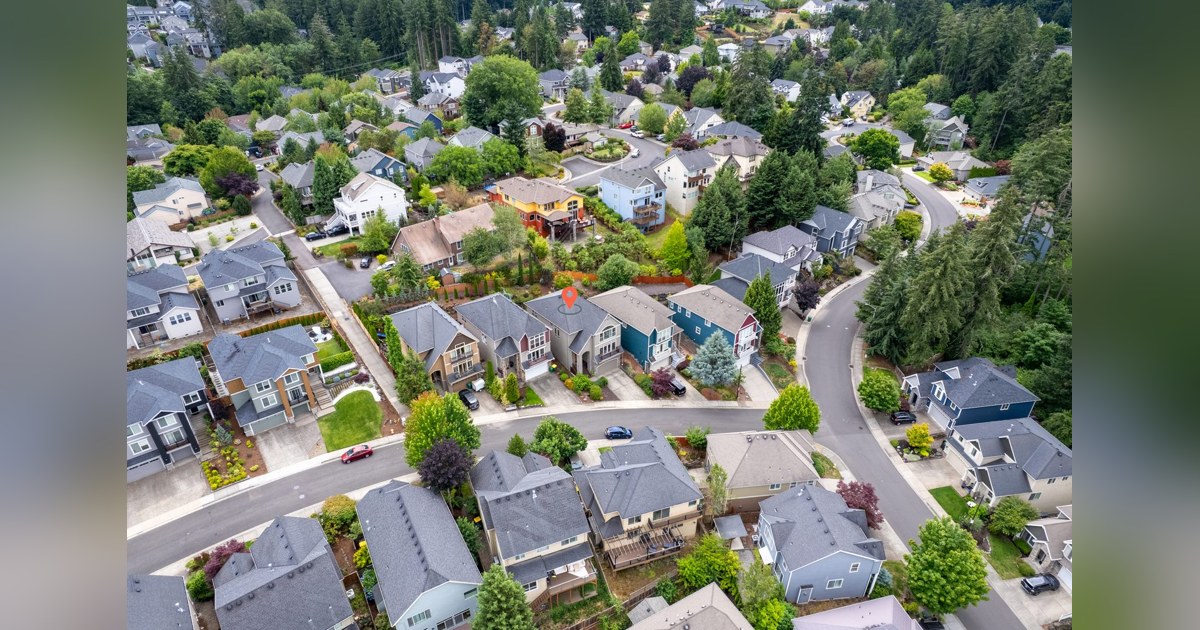
Homeowners in Beaverton, Oregon, considering a sale in 2026 are facing a market that has fundamentally changed over the past few years. According to Carey Hughes Homes, a residential real estate team with 26 years of experience in the Beaverton and Portland metro area, the decision to sell hinges on both market data and personal circumstances. “Most importantly, it’s time to sell when it’s the right time for a homeowner on a personal level, depending on what is happening in their life,” says Carey Hughes. “If a homeowner isn’t entirely ready, it’s a very difficult process on so many levels.”
Once personal readiness is established, the current market conditions come into focus. Beaverton is shifting toward a buyer’s market, with homes still selling but buyers negotiating firmly and taking their time. This does not mean prices have collapsed, but sellers should not expect the frenzied results of 2021. For the first time in more than ten years, the local market has reached a genuine balance between supply and demand. Buyer expectations have been dampened by interest rates and an increased number of choices, giving buyers more room to be selective.
In this environment, pricing precision is more critical than ever. “You absolutely have to hit price on the nose in order to make the marketing go far and reach the buyers,” Hughes explains. Homes priced outside that sweet spot see fewer showings, fewer website views, and lighter turnout at open houses. The consequence is longer time on market and tougher negotiations once an offer arrives. Testing a high price is not a viable strategy; realistic pricing from day one keeps a listing competitive.
The cost of waiting another year could be significant. Beaverton has experienced a gradual price adjustment over the past four years, driven largely by interest rates that have stayed close to seven percent and are currently at a 15-month high of slightly over seven percent. While averages have remained fairly flat, Hughes is seeing prices soften on a month-by-month basis, typically one to three percent below the prior year. Current forecasts do not point to relief next year. Beyond finances, there is a human cost: those who delay a sale after their life has already moved on often end up in prolonged stress, sometimes renting out the home indefinitely while waiting for the market to shift.
The personal timing question remains central. Hughes advises sellers to identify a real, life-driven reason to move—downsizing for retirement, relocating to be near family, a job change, or a new chapter after a divorce or marriage. These situations make a move worth pursuing even in a market that requires patience and careful pricing. For homeowners trying to understand what their property could sell for today, Carey Hughes Homes offers a free home valuation to help sellers start that conversation with real numbers. With over $355 million in real estate sold, 679 properties closed, and 464 five-star reviews, the team brings decades of hands-on market experience to buyers, sellers, and relocating homeowners across the Westside. As the market continues to evolve, sellers who align personal readiness with realistic pricing will be best positioned to succeed in 2026.