In the Tri-State region, where Connecticut, New York, and Massachusetts converge, buyers face a unique challenge: the area's compact geography belies the distinct lifestyles available within it. From Salisbury, Connecticut, one can reach New York State in five minutes and Massachusetts in under ten, yet the communities differ profoundly. For Elyse Harney Morris, principal broker at Elyse Harney Real Estate, guiding buyers through this discovery process is paramount. “Often buyers have a very strong concept of what they are looking for,” she says, “and often that isn’t what they buy. You don’t know that you want to live in town until you look at it in town.”
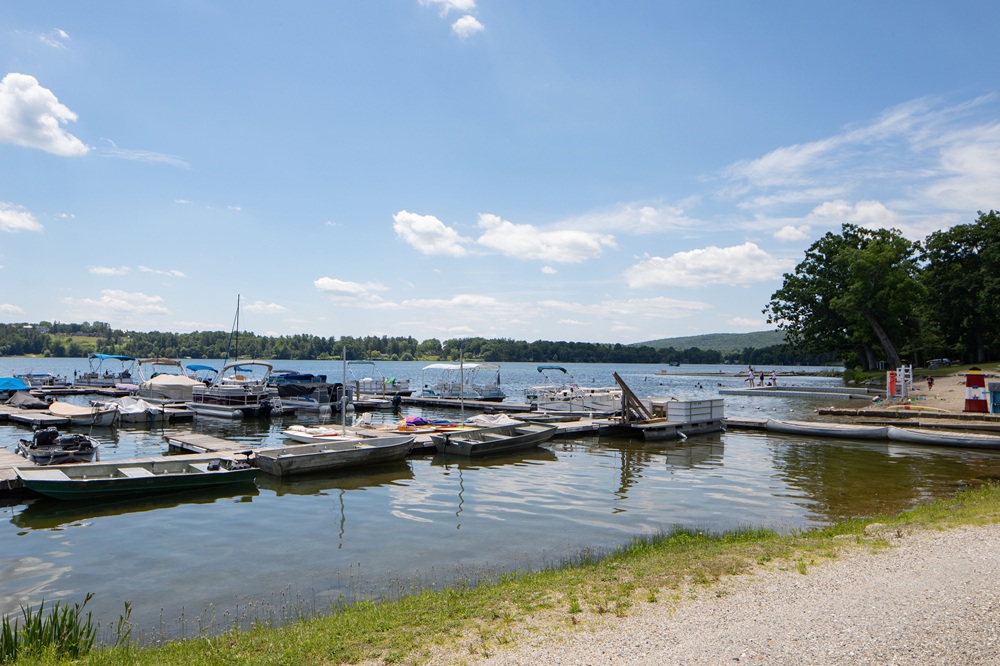
Morris observes that buyers often fall into two categories: those seeking vibrant town centers and those desiring expansive privacy. The former are drawn to historic towns like Salisbury, Connecticut, which offers access to Lakeville Lake, restaurants, tennis courts, and a year-round community calendar. Morris recently sold a Main Street home for $1.9 million to a family who had previously lived rurally but discovered that proximity to community was what they truly valued. “What they really wanted was to be part of a community,” she explains, “to have their kids be able to walk to the lake, to restaurants, to town.” Interestingly, the same property had earlier sold to a New York family with identical priorities, demonstrating that direct experience often overrides preconceived notions.
On the other hand, the region offers substantial land and acreage for buyers seeking privacy and connection to nature. Properties in the $2 million to $3 million range—the most active segment of the market—often include significant acreage, historic structures, and working landscapes with beehives, kitchen gardens, fishing access, and trails. These features attract multi-generational buyers planning long-term family arrangements. However, understanding land's potential requires expertise in conservation easements, agricultural programs, water rights, and development restrictions. Morris's fluency in these areas is crucial for clients navigating such complexities.
The gap between research and reality is a recurring theme. A listing that appears isolated may feel remote in daily life, while a small town on a map can feel vibrant when experienced firsthand. Morris advises buyers to rent in a target area for at least six months before purchasing. “It makes a difference,” she says, “because you figure out what happens not only on a Saturday and Sunday, but what happens on a Tuesday.” The midweek rhythm often determines whether a buyer ultimately feels at home.
For those ready to buy, preparation is key. With inventory tight across the three states, a prepared buyer who hesitates can lose out. Morris emphasizes the importance of financing in place, clear priorities, and a broker with early access to listings. “The towns here reward the buyer who takes the time to understand them,” she notes. “The one who skips that step often finds themselves starting over.”