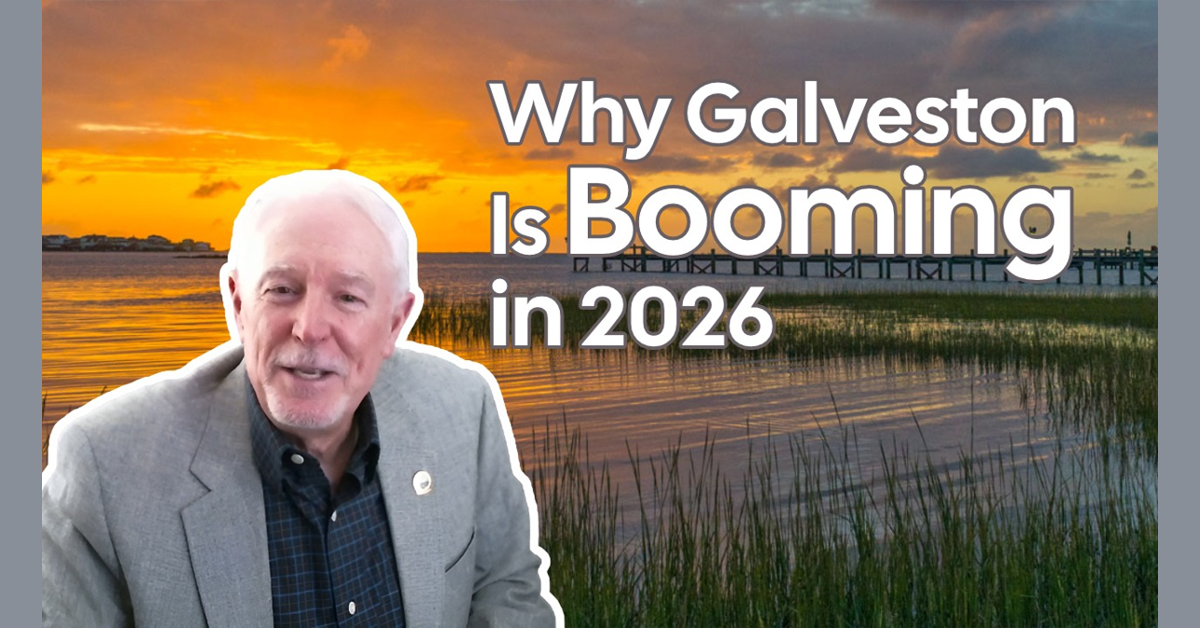
Galveston, Texas, is experiencing a tourism boom driven by a new $100 million cruise terminal and an expected 9 million visitors this year, even as the barrier island confronts the growing threat of sea-level rise and flooding. Mayor Craig Brown discussed these developments on The Building Texas Show, emphasizing the city's strategic investments and challenges.
The $100 million terminal expansion positions Galveston as the fourth-largest cruise port in the U.S., supporting an anticipated 2 million cruise passengers in 2026. This growth contributes to an overall annual visitor count of 9 million, making tourism the city's primary economic driver. "Tourism is really our number one economic engine," Brown said. "We're a city of 53,000 people, but we'll have close to 9 million visitors this year." For more on attractions and events, visit VisitGalveston.com.
However, the city's location as a barrier island exposes it to escalating threats from sea-level rise, high tides, and stormwater flooding. Galveston is implementing a stormwater master plan and investing in advanced pump stations to address "nuisance flooding" that now occurs even on sunny days. "The future of our island from a flooding standpoint is pumps," Brown explained. "We're putting emphasis on developing pump stations to help drain water in different areas." The full interview with Mayor Brown is available on The Building Texas Show.
Higher education institutions, including Texas A&M University at Galveston, the University of Texas Medical Branch, and Galveston College, help retain graduates in key sectors like healthcare, maritime sciences, and port operations, bolstering the city's long-term economic resilience. As Galveston balances its heritage as Texas's oldest port with forward-looking infrastructure, the city's ability to sustain its tourism-driven economy amid environmental pressures will be critical for its future.