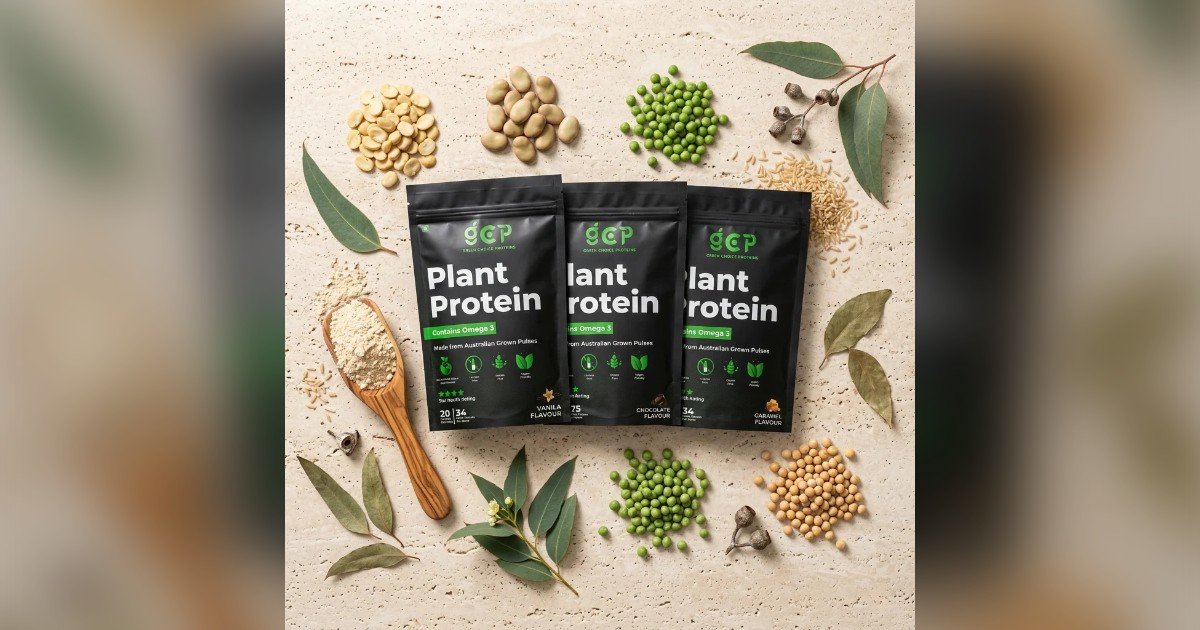
Green Choice Proteins, an Australian plant-based nutrition company, is preparing to enter the United States with a product line that reflects a broader shift in how consumers approach plant-based eating. Rather than targeting only vegans and vegetarians, the company is positioning its plant proteins as everyday nutrition for anyone looking to incorporate more plant-based foods into their diet. This strategy comes as the plant-based market evolves beyond meat and dairy alternatives toward convenient, protein-rich products that fit into smoothies, breakfasts, baking, and other daily routines.
The company's philosophy is summed up by founder Puneet Chawla: "Plant-based nutrition doesn't have to be an all-or-nothing lifestyle choice." Green Choice Proteins aims to make plant-based options accessible and enjoyable, with a focus on taste, convenience, and transparency. Its initial U.S. lineup includes three flavors: Chocolate Flavored Protein Powder, Vanilla Flavored Protein Powder, and Salted Caramel Flavored Protein Powder. Each provides over 34 grams of plant protein per serving, derived from Australian-grown pea and faba proteins, and includes omega-3 from linseed. The products contain no artificial colors, flavors, or fillers, aligning with the company's clean-label commitment.
This approach matters because it addresses a key barrier to plant-based adoption: the perception that such products are complicated or restrictive. By offering familiar flavors and high protein content, Green Choice Proteins hopes to attract fitness enthusiasts, wellness-focused consumers, and anyone seeking convenient nutrition. The company's focus on transparency and responsible sourcing also resonates with modern consumers who increasingly scrutinize ingredient lists. As Chawla notes, "Taste and convenience are just as important as the nutritional profile."
Green Choice Proteins' U.S. expansion follows its participation in September's ECRM Vitamin, Weight Management & Sports Nutrition Session, where it connected with potential retail partners. The company plans to launch through OneLavi and Amazon, marking the first phase of a broader strategy to establish its Australian-made products in the American market. This move could intensify competition in the plant protein space, where brands are vying for shelf space and consumer loyalty. Green Choice Proteins' emphasis on Australian-grown ingredients and family-owned heritage may differentiate it in a crowded field.
For the plant-based industry, Green Choice Proteins' success would signal that the category is maturing beyond niche diets and into mainstream everyday nutrition. If American consumers embrace these products, it could encourage more innovation in clean-label, high-protein plant foods. Ultimately, the company's U.S. debut will test whether its message of practical, enjoyable plant-based nutrition resonates with a broad audience.