A healthy smile can completely change the way you feel about yourself. It affects confidence, communication, eating habits, and even the way others perceive you. Missing teeth often create emotional stress along with physical discomfort, making everyday activities more difficult than they should be. That’s why dental implants have become one of the most trusted solutions for replacing missing teeth. They look natural, feel secure, and can last for decades with proper care. The challenge for many people is the cost.
Dental implants are known for being expensive, but that does not mean they are impossible to afford. Many patients believe implants are only for wealthy individuals, yet thousands of people successfully lower their treatment costs every year through smart planning and research. Think of dental implants like buying a long-term investment rather than a temporary fix. While the upfront cost may seem high, implants often save money over time by preventing future dental problems and reducing the need for replacements.
Recent reports in 2026 show that a single dental implant can cost between $3,000 and $6,000 in the United States depending on location and treatment complexity. Full-mouth procedures can cost significantly more, but there are still practical ways to make treatment affordable. From financing options to dental schools and discount plans, there are many opportunities to reduce expenses without sacrificing quality. This guide explores everything you need to know about getting affordable dental implants while protecting your smile and your budget.
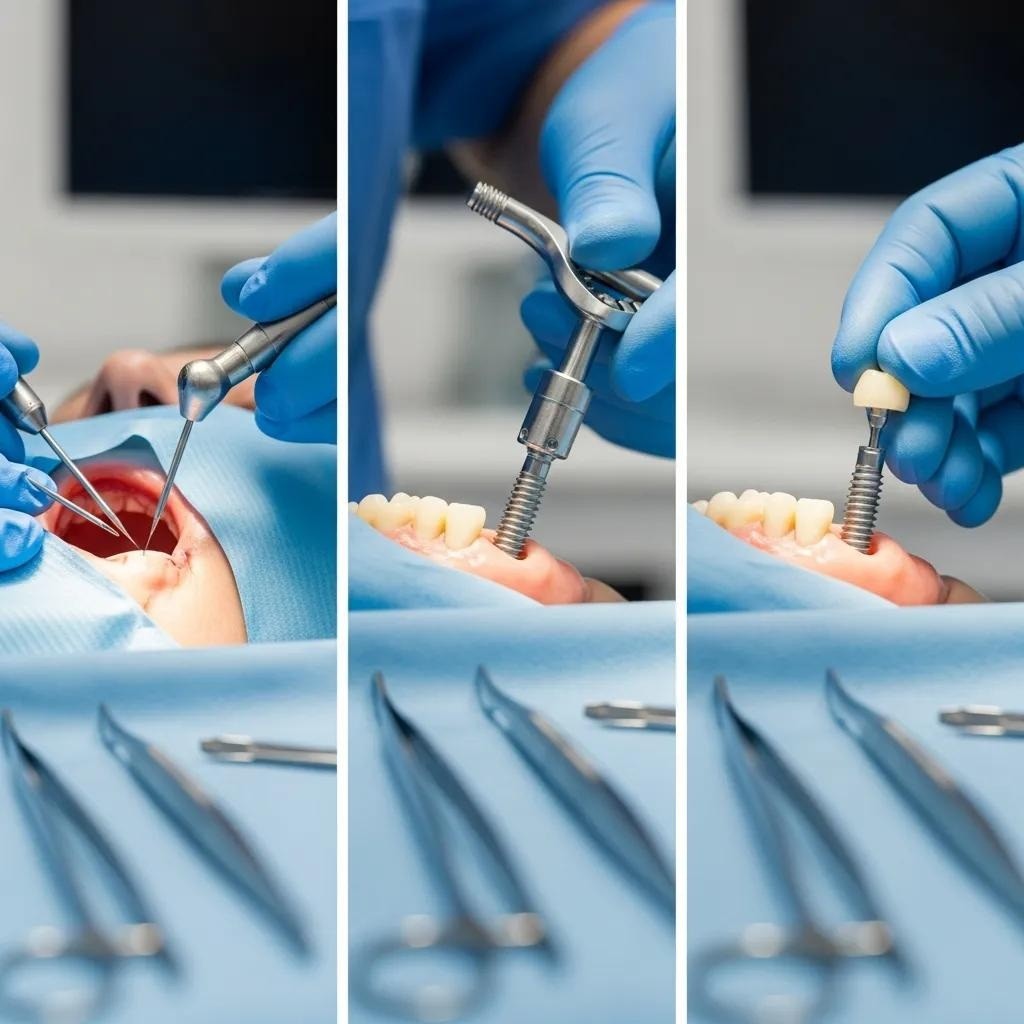
Dental implants are one of the most advanced tooth replacement options available today. Unlike dentures or bridges that rest on the gums, implants are surgically placed into the jawbone to function like natural tooth roots. This creates a stable foundation for replacement teeth and helps preserve bone health over time. Because implants become part of the jaw structure, they offer a level of comfort and durability that traditional options often cannot match.
Why do dental implants cost so much? The process requires advanced technology, specialized materials, and surgical expertise. High-quality implant materials, such as titanium or zirconia, contribute significantly to the price. Advanced imaging technology, including digital X-rays and 3D CT scans, improves accuracy but adds to treatment expenses. Additionally, the specialized training of oral surgeons and implant specialists is reflected in the cost. Some patients also require additional procedures like bone grafts or sinus lifts, which can increase the final bill.
Knowing the average cost can help patients budget effectively. A single tooth implant in 2026 generally costs between $3,000 and $6,000. Full-mouth implant procedures, such as All-on-4, often range from $15,000 to $35,000 per arch. While these prices seem high, full-mouth implants can be more economical than replacing each tooth individually.
To find affordable dental implants, patients should compare multiple clinics. Implant prices can vary dramatically even within the same city. Always request detailed treatment estimates and compare exactly what is included. Dental schools are an excellent option, offering 30% to 60% savings as students perform procedures under experienced supervision. Dental tourism has become popular, but patients should carefully research clinic credentials and follow-up care options. Many dental offices also offer membership plans or cash discounts that can reduce costs.
Financing options make implants more manageable. Dental insurance coverage for implants has improved, but many plans still cover only part of the cost. Monthly payment plans and healthcare credit programs like CareCredit allow patients to spread treatment costs over time. However, patients should review interest rates and repayment conditions carefully.
Avoid low-quality implant deals by watching for prices far below local averages, hidden fees, or unclear treatment plans. Ask detailed questions, such as what is included in the quoted price, how many implants the dentist has placed, and what materials are used. For those who cannot afford implants, dentures and dental bridges are alternatives, though they may require more maintenance over time.
Affordable dental implants are achievable with the right strategy and careful research. Comparing providers, exploring financing options, checking insurance benefits, and considering dental schools can dramatically reduce treatment costs without sacrificing quality. The key is focusing on long-term value rather than simply choosing the cheapest option available. Dental implants restore confidence, improve oral function, and help protect long-term dental health, making the investment worthwhile.