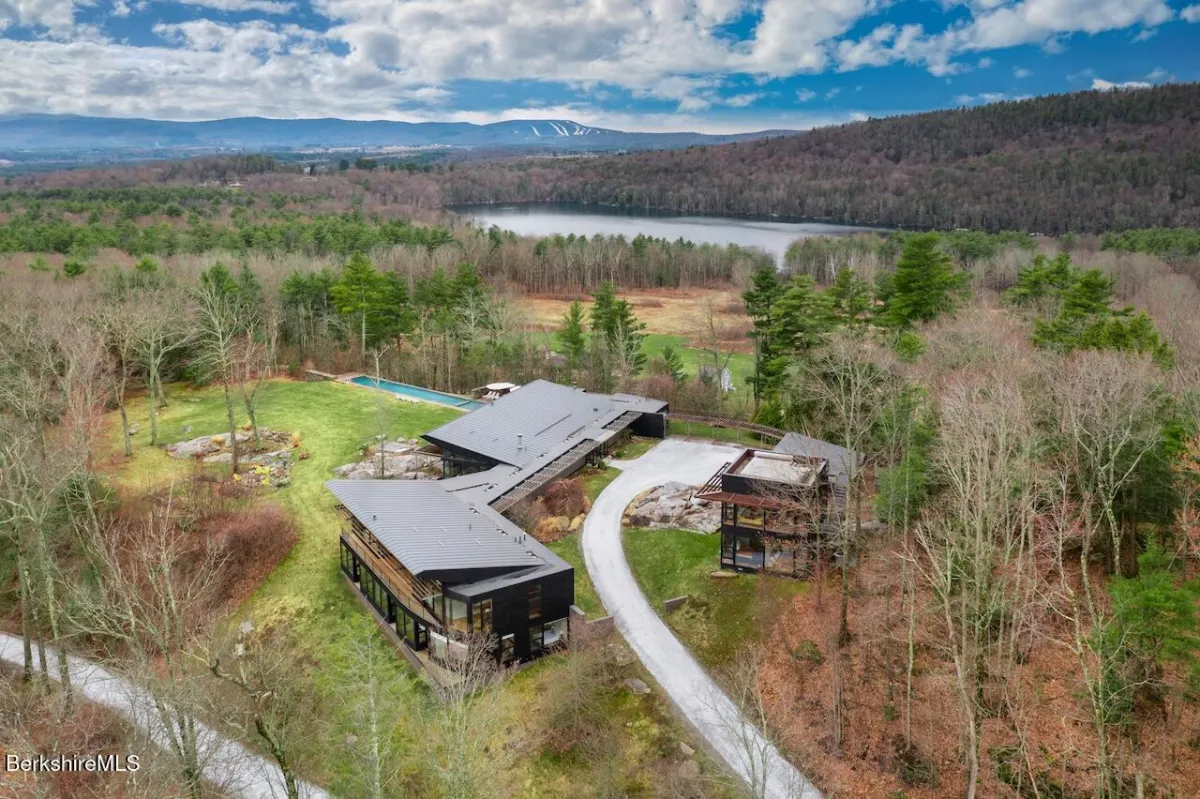
A significant shift in the rural real estate market has emerged over the past three years, driven by an increase in multi-generational family buyers. Unlike previous waves of interest from couples and young families seeking weekend retreats, these groups—often spanning grandparents, adult children, and grandchildren—are evaluating properties as permanent family compounds rather than seasonal escapes. Elyse Harney Morris, principal broker at Elyse Harney Real Estate, which operates across Connecticut, New York, and Massachusetts, has observed this trend firsthand. “What we started seeing, especially in the last three years, is families coming to a showing with grandparents, adult children, and grandchildren,” she says. “They are not buying a weekend house. They are buying something they intend to build a life around.”
This change reflects a broader recalibration of family priorities, accelerated by the pandemic. Disruptions to schools, healthcare, and urban safety made physical proximity to family more valuable. Rather than buying separate nearby homes, many families now seek properties with a main house for gatherings, guest quarters, and land for additional dwellings. The most sought-after locations are within two to three hours of major cities like New York or Boston, offering four-season amenities, good schools, and cultural infrastructure. In the Northeast, markets such as the Litchfield Hills, Hudson Valley, and Southern Berkshires fit this profile.
Multi-generational showings require a different approach from conventional property tours. Each generation has distinct priorities: grandparents focus on single-floor accessibility, medical proximity, and gardens; adult children evaluate house capacity, kitchen functionality, and land privacy; grandchildren ask about swimming, trails, and room for a garden. The land itself demands dedicated attention. On a recent showing of a 150-acre Hudson Valley property, understanding the twelve miles of trails, river frontage, and pond access took five and a half hours. “A comprehensive experience of the property and the land is essential,” Morris says. “Understanding the architecture, the siting, the flow of the home and how it connects to the landscape—the excitement a client feels in that moment is something they experience, not just observe. That emotion is what moves them forward.”
Buyers increasingly value productive land features like beehives, kitchen gardens, orchards, chickens, fishing access, hiking trails, and woodlots. Water features, particularly river frontage and pond access, anchor outdoor life for all generations. Real estate professionals must understand soil quality, trail systems, fishing rights, and garden siting to answer these buyers' questions. Regional resources such as the Carey Institute in Millbrook signal a community's commitment to land stewardship. Proximity to farmers markets and working farms is more important than upscale dining for this demographic.
One notable group of multi-generational buyers comes from California, especially the Bay Area and Napa-Sonoma counties, driven by wildfire risk and high insurance costs. They are surprised by the community depth in small Northeast towns, particularly the educational infrastructure of prep schools like Hotchkiss, Salisbury School, and Berkshire School, which attract families from across the globe. Successful agents serving these buyers are deeply embedded in their communities, involved with land conservancies and school boards, and maintain relationships with attorneys and contractors to address complex questions. While multi-generational transactions are slower and more complex, these buyers tend to stay and return for future decisions, making them valuable long-term clients.