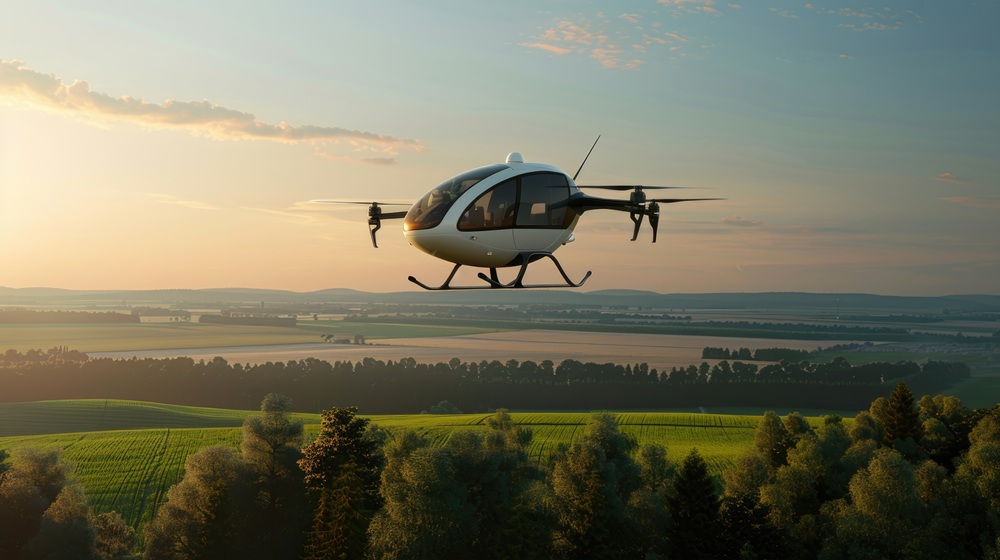
The recent Oshkosh Air Venture, the largest gathering of electric aircraft ever assembled, has challenged the dominant narrative that electric aviation is primarily about flying cars and urban air taxis. With 700,000 attendees and 20,000 campers, the event showcased a diverse range of electric aircraft, including conversions of traditional planes like Cessna Caravans and Pipistrels, which are already flying commercially. Lisa Wright, founder of Landings, an infrastructure company for electric aircraft, attended both the main event and the Vertical Flight Society's Electric Aircraft Symposium. She observed that while eVTOLs received attention, the real story was the electrification of traditional aircraft, expanding the market's use cases immediately.
The market's breadth was further highlighted by companies like Air EV, an Israeli firm planning to produce 30,000 aircraft annually, aiming for automotive-scale manufacturing. This shift from boutique production to mass manufacturing is enabled by the new Mosaic rule, which opens opportunities for light sport aircraft. Similarly, Skyfly is pursuing Mosaic-level approvals, indicating a broader market beyond passenger transport.
A pivotal moment occurred during a presentation by Tim Jackson, author of "Dude, Where's My Flying Car," when a Beta aircraft took off outside, interrupting the talk. Attendees rushed to watch the conventional-wing Beta fly, which had accumulated 60,000 miles, with its test fleet totaling 175,000 miles. This highlights that these aircraft are not just prototypes but are gaining operational experience, informing certification and readiness.
Wright emphasized that the diversity of aircraft at Oshkosh—spanning 70 years of design—demonstrates that innovation in aviation has always meant radical variety. There is no single right way to build an eVTOL or optimal charging standard; instead, the industry is experimenting across multiple designs, which is typical of aviation innovation.
For commercial real estate owners and infrastructure developers, the implications are significant. The electric aviation market is expanding faster and broader than projections, with conversions already operational and mass manufacturing planned. The infrastructure opportunity extends beyond urban passenger vertiports to rural networks supporting agricultural, emergency, and logistics applications. As Wright noted, "The market isn't emerging in 2028 or 2029. It's arriving now, across multiple aircraft categories simultaneously."
This reality underscores the need for a comprehensive network of landing and charging infrastructure, a need that Landings aims to address with its planned 2,000+ rural locations. The industry's evolution at Oshkosh signals a pivotal shift, making electric aviation a present-day reality with far-reaching implications.