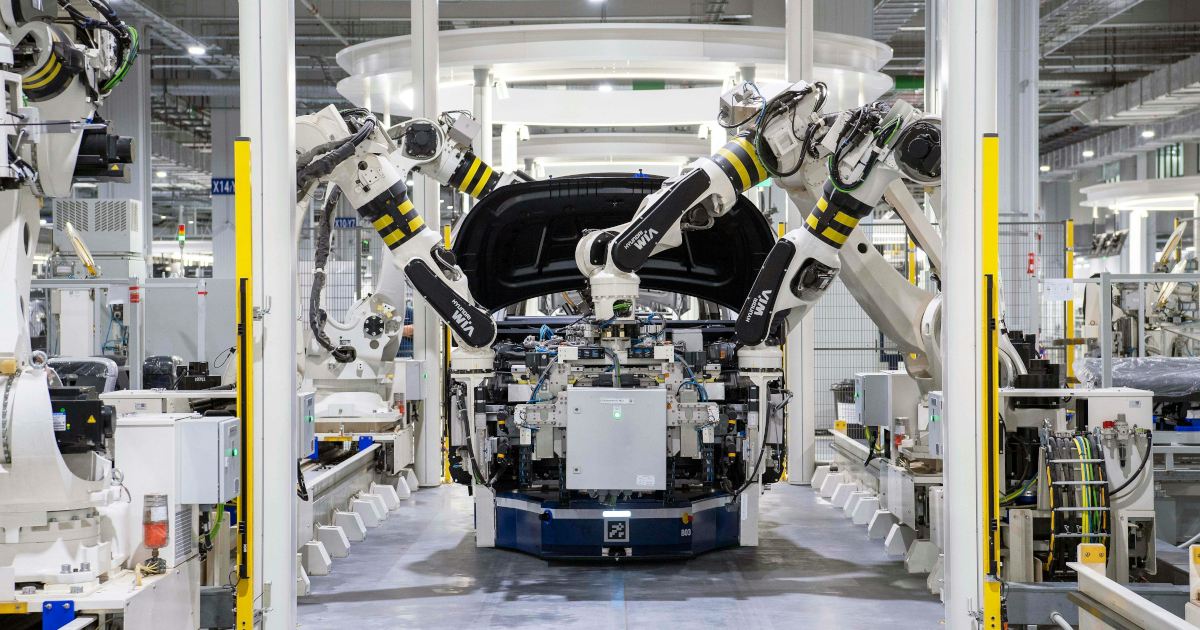
In what is being hailed as a significant milestone for industrial robotics, Xiaomi has successfully integrated humanoid robots into its electric vehicle assembly line at its plant in Beijing. The Chinese tech conglomerate ran two bipedal machines through three hours of active production work, recording a task completion rate above 90% in the pilot trial. This marks the first instance of humanoid robots being deployed on a working factory floor, bringing the industry closer to a long-promised reality.
The trial, which focused on tasks such as part handling and assembly assistance, demonstrated the robots' ability to operate alongside human workers without major disruptions. While details on the specific models used were not disclosed, the achievement underscores Xiaomi's commitment to automation and its push to lead in advanced manufacturing technologies. The company's EV division, which has been scaling up production, could benefit from reduced labor costs and increased efficiency if the robots are deployed more widely.
Other EV makers, including Massimo Group (NASDAQ: MAMO), are likely to be watching this development closely, as the successful integration of humanoid robots could set a new standard for assembly line automation. However, challenges remain, including the high cost of such robots and the need for further refinement to handle more complex tasks. Industry analysts note that while the pilot is promising, widespread adoption may still be years away.
The news was reported by GreenCarStocks, a platform focused on the EV and green energy sector, which highlighted the potential implications for the industry. The trial's success could accelerate investments in humanoid robotics across manufacturing sectors, particularly in automotive production where precision and flexibility are critical.
As Xiaomi continues to innovate, the implications for the broader manufacturing industry are profound. If humanoid robots can reliably perform assembly tasks, it could lead to a shift in how factories are designed and operated, potentially reducing the need for specialized automation equipment. For now, the company has not announced plans to expand the robot workforce, but the pilot's success suggests that humanoid robots may soon become a common sight on factory floors.